When considering purchasing a vessel, a common question that arises is how long should you finance a boat. The answer depends heavily on balancing your need for manageable monthly payments against the total interest you will pay over the life of the loan. Typically, boat loan terms range from 5 to 20 years, with longer terms unlocking for larger loan amounts or newer vessels.
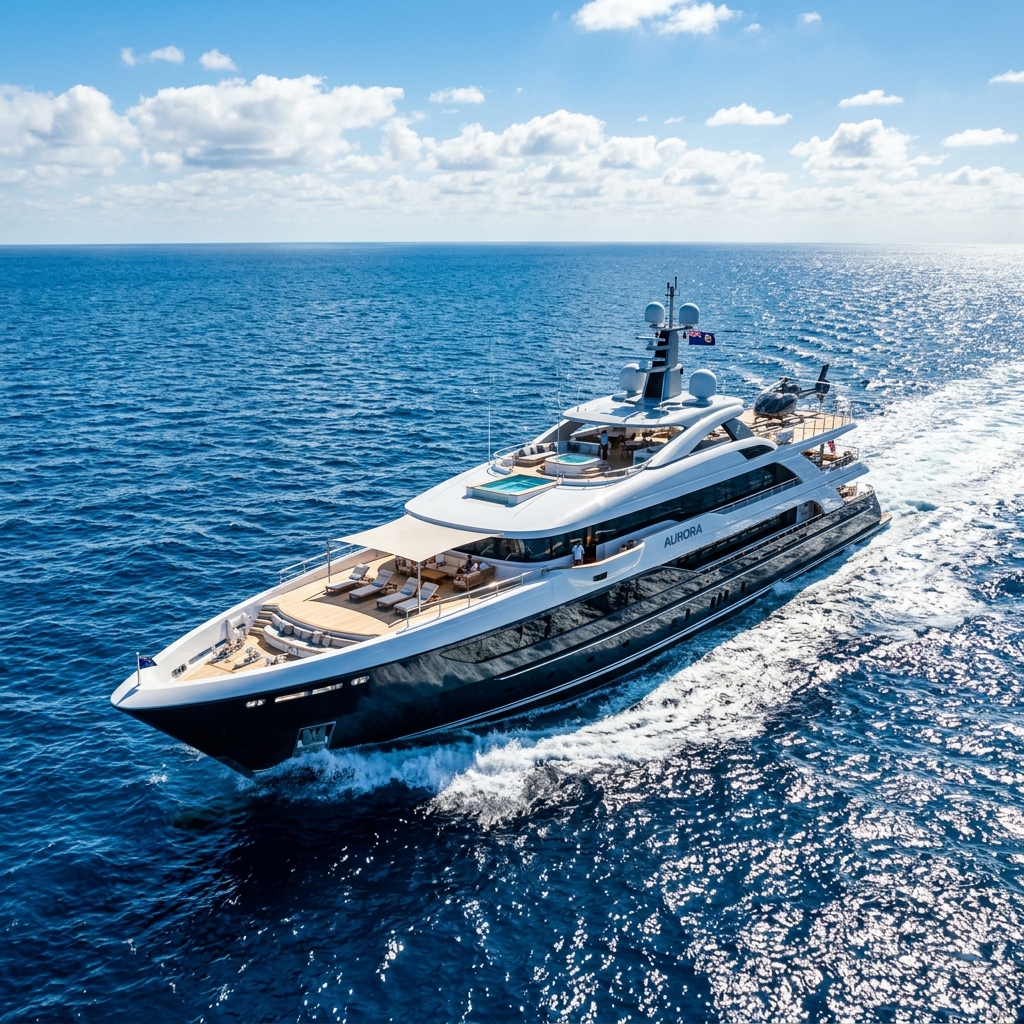
Should you finance a boat
Deciding whether you should you finance a boat or pay cash is a major financial crossroad. Financing allows you to keep your capital liquid for other investments, business opportunities, or emergencies, while spreading the substantial cost of the boat over several years. However, financing means you will pay interest over time, which ultimately increases the total cost of ownership. If you can secure a favorable, low interest rate and value financial flexibility, taking out a boat loan is often a smart and common move, especially for high-value superyachts.
Typical Boat Loan Terms Based on Loan Amount
Lenders generally scale their term limits based on the amount being financed to ensure that your monthly payments remain manageable.
- Under $50,000: Typically 5 to 10 years.
- $50,000 – $200,000: Often 10 to 15 years.
- Over $200,000: Terms up to 20 years are commonly available, which is standard for superyachts and large luxury vessels.
Key Factors That Influence Your Term
Several variables will determine the specific financing terms a lender is willing to offer you:
- Boat Age and Condition: Newer boats generally qualify for longer financing terms because they have a longer useful life and retain their value better. For used boats, some lenders cap the maximum term based on the vessel's age (e.g., subtracting the boat's age from a maximum 20-year term).
- Your Financial Profile: Your credit score, income, net worth, and debt-to-income ratio are primary factors. Higher credit scores often unlock longer terms, lower down payment requirements, and more favorable interest rates.
- Total Interest vs. Monthly Payment: Longer loan terms provide lower, more comfortable monthly payments, but result in paying significantly more in total interest over the life of the loan. Conversely, shorter terms require higher monthly payments but save you money on interest and help you build equity in the vessel much faster.
Recommendations for Choosing the Right Term
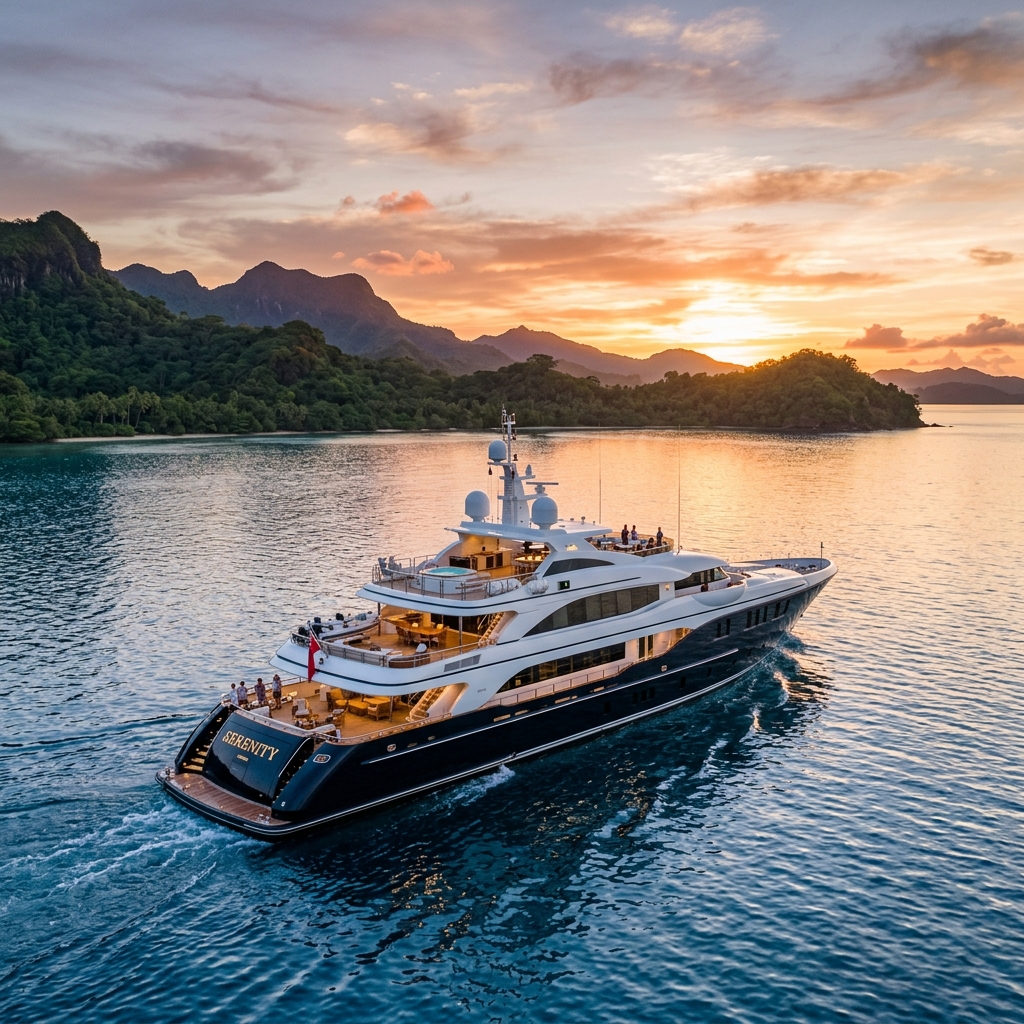
Before committing to a specific term, accurately assess your budget. Calculate what monthly payment you can comfortably afford while also factoring in the substantial ongoing costs of yacht ownership, such as marine insurance, mooring fees, regular maintenance, crew salaries, and fuel.
If you plan to keep the boat for a very long time, a shorter term may be advantageous to minimize interest payments. However, if you want to keep monthly operational costs as low as possible or plan to upgrade the vessel in a few years, a longer term might offer the financial flexibility you need. Just be wary of "negative equity," where you end up owing more than the boat is worth if you attempt to sell it too early into a long-term loan.
Ultimately, the best approach is to choose the shortest loan term that you can comfortably afford without straining your budget. This strategy minimizes the total cost of your investment while keeping your monthly maritime lifestyle sustainable.